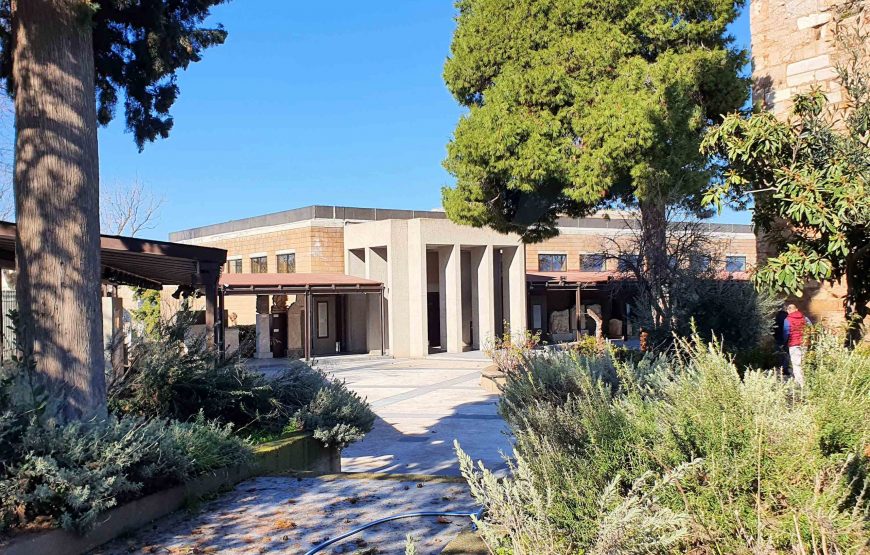
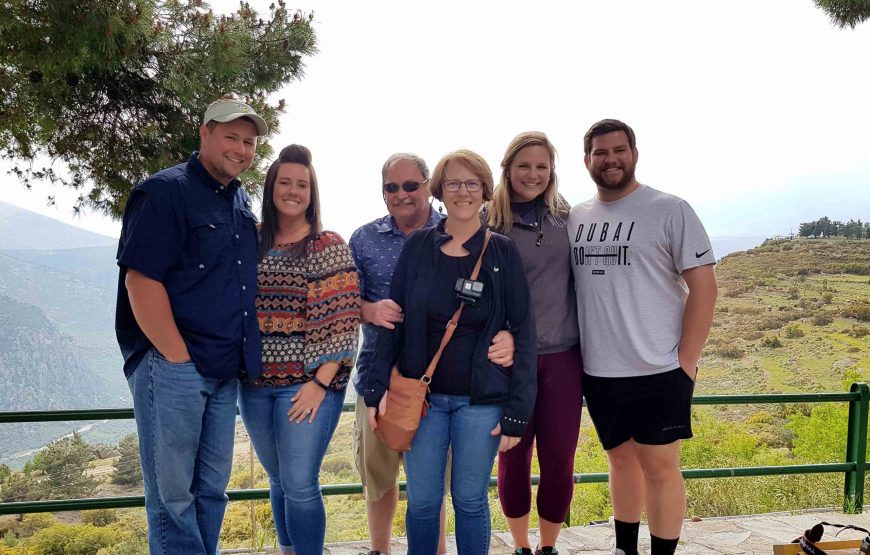


The battlefield Tour will travel you through history and you will enjoy the stories behind the mythical battles that took place at Thermopylae and Marathon. This tour includes all highlights of the Thebes antiquities which you will have the chance to explore at the museum, plus an amazing road trip from Athens suburbs to the iconic point of the Marathon Battle.
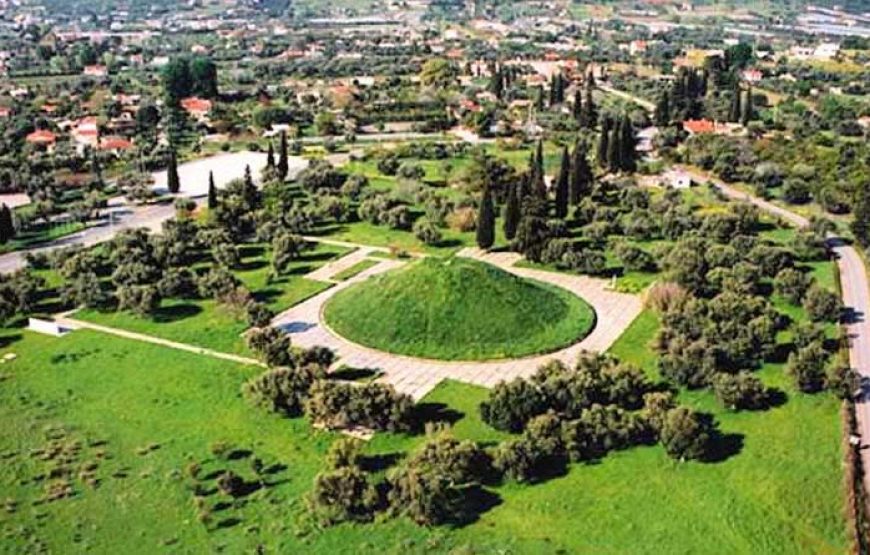
The Battle of Marathon took place in 490 BC during the first Persian invasion of Greece. It was fought between the citizens of Athens, aided by Plataea, and a Persian force commanded by Datis and Artaphernes. The battle was the culmination of the first attempt by Persia, under King Darius I, to subjugate Greece. The Greek army inflicted a crushing defeat on the more numerous Persians, marking a turning point in the Greco-Persian Wars.
Despite the euphoria that the victory brought to the Greeks, the Persian ambitions were not diminished by the defeat at Marathon, since ten years later, King Xerxes continued the vision of Darius and in 480 BC. gathered a huge invading army to attack Greece, this time through the Strait of Thermopylae.
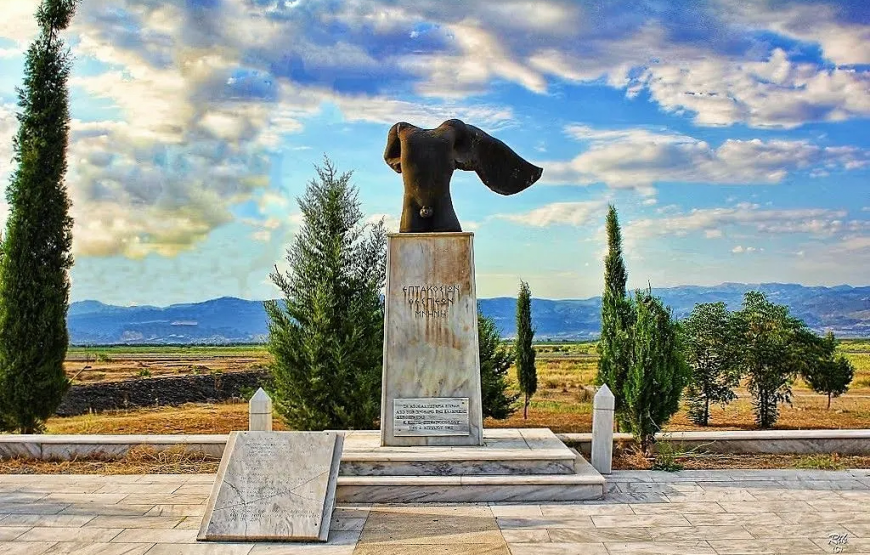
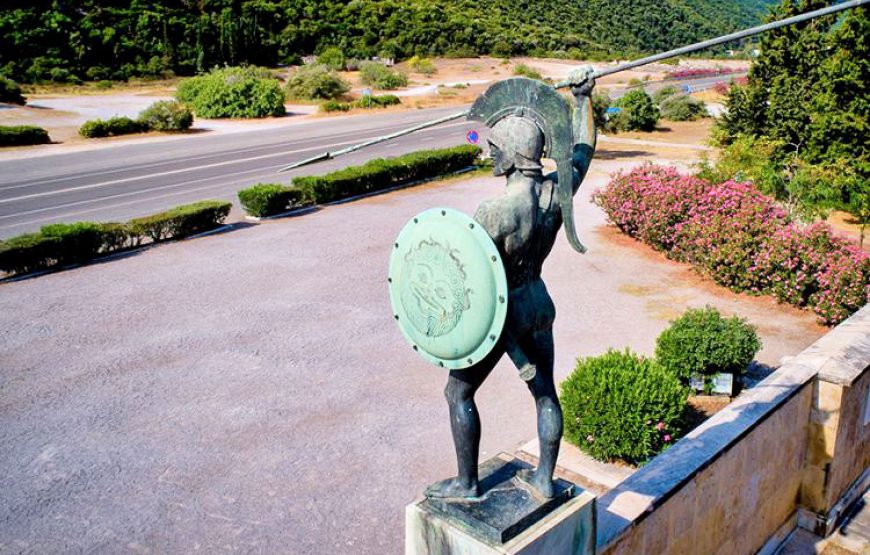
Thermopylae (Thermopiles) is world-famous for the battle where 300 Spartans, led by King Leonidas, made their famous stand against the Persian invaders. Thermopylae translated to English means ‘hot gates’ which is related to the nearby hot sulphur springs. So in August 480 BC, a small group of Greeks, led by the Spartan king Leonidas, held the passage for three days, while at the same time, the Greek fleet managed to delay the Persians in the naval battle of Artemisio. These two battles gave the Greeks time to prepare for the victories to come, first in Salamis in September 480 BC, where they captured the Persians and then in Plataea in August 479 BC, where the Greeks lined up the largest army of hoplites ever assembled, won the battle and put an end to the Persian Wars in Greece.
Thebes gradually dominated Boeotia and already during the 6th century BC. held a hegemonic position in the Common of Boeotia. In 506 BC. The Thebans tried to impose their rule on Plataea, which was defended by the Athenians, with the result that the city maintained its independence. The Plataeans then withdrew from the Boeotian Common and became allies of the Athenians. Thebes due to its rivalry with Athens allied with the Persians during the campaign of Xerxes in 480 and 479 BC. In the battle of Plataea, the Thebans fought on the side of the Persians. The Theban body was repulsed by the Athenians and enclosed within the walls of Thebes. Ten days later the allies besieged Thebes and demanded the punishment of those who suffered. The leaders of Thebes were finally surrendered and executed while the city was not destroyed as the allies considered that only its leadership was responsible for the building of the city and not the people of Thebes. However, the hegemonic position he held in the Boeotian public was removed from Thebes.
The Marathon Road
One last legend about Marathon, which has kept the legend alive until today, is the story of Herodotus about the long-distance messenger (diary) Pheidippides. He was sent to seek the help of the Spartans before the battle and ran to Sparta, stopping earlier in Athens, covering a distance of 240 km.
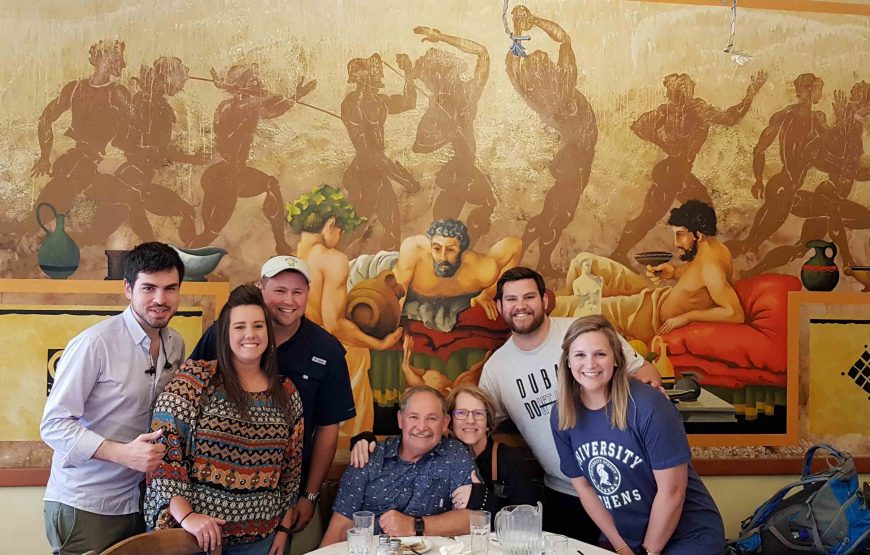
Our Driver will guide you and will make sure that this will be an unforgettable visit to Thermopylae, Thebes and Marathon. Since this is a private tour, you will enjoy at your own pace all the above areas … and upon your choice even an amazing lunch with authentic greek tastes!
The private tour will take you to essential sites in the comfort of our vehicles which are all new and licensed by the Greek National Tourism Organisation fully insured and maintained.
Our Drivers are professional, English-speaking, and will give any additional info needed.
If your group size is more than 4 persons, please select from “EXTRAS” your correct vehicle type.